
The Psychology of Family Photos: What the Research Actually Says
Research links family photos to reduced pain, higher self-esteem in kids, and deeper enjoyment of the moment. Here's the science behind why family photos matter.
By Jennifer Tsay, Cofounder & CEO
Fri, Jun 12 2026
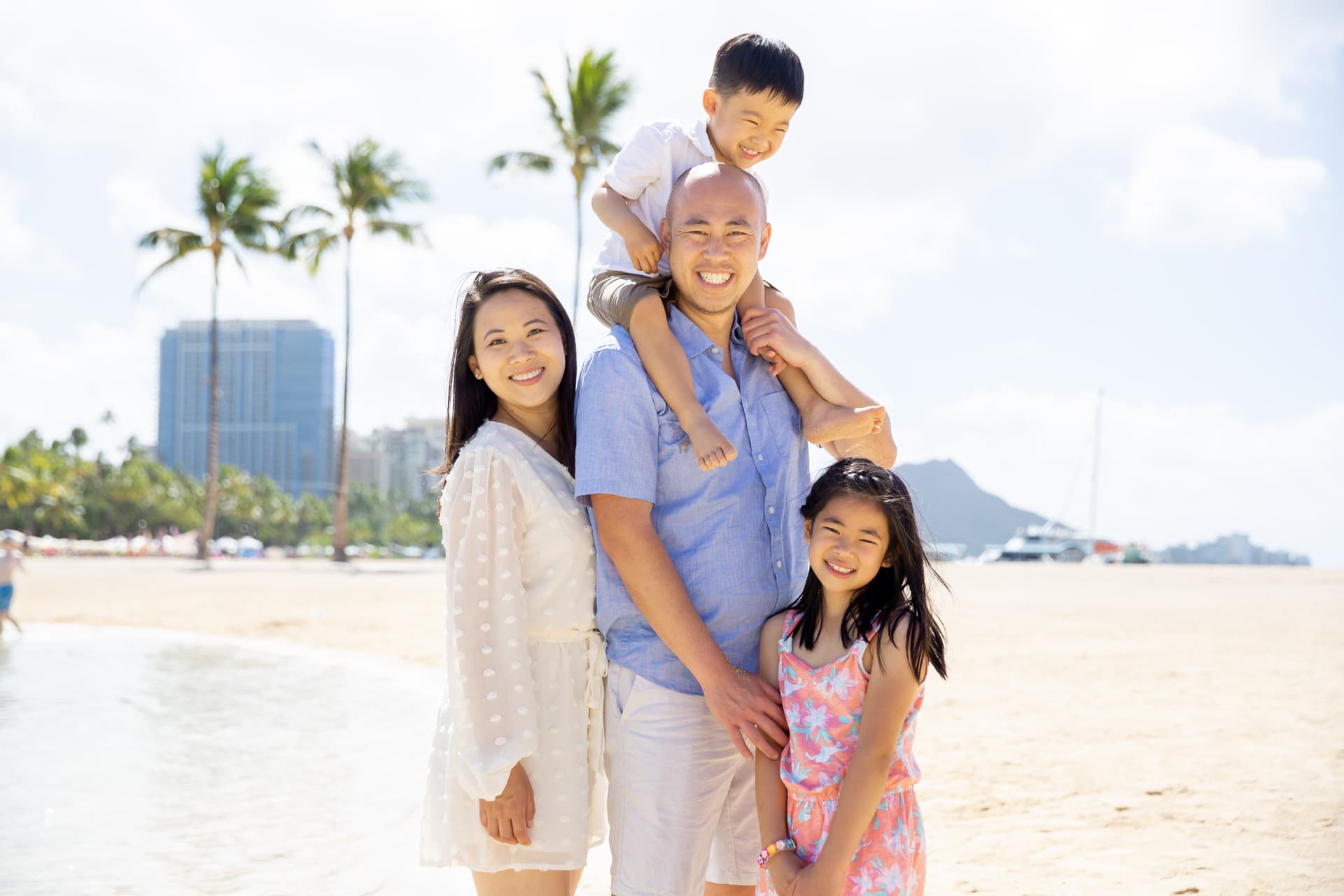
In 2009, researchers at UCLA ran an interesting experiment. They applied “uncomfortable” levels of heat to women's forearms while changing one variable: what, or who, the women were looking at. Holding their partner's hand helped them tolerate the pain (sweet but not surprising); the surprising part is that just looking at a photograph of their partner worked too. In some moments, looking at the photo did better than holding their partner’s hand.
That study has been sitting in Psychological Science for over fifteen years, and it makes a case we will happily co-sign: family photos are not decor. Your brain treats a picture of someone you love as a stand-in for the actual person, and the effects that can actually be measured: on pain, on mood, on how kids come to understand who they are.
There’s a reason why in the case of a hypothetical house fire, people often say if they could only grab a few things, photos would be on the top of their list.
Quick disclosure before we go further, since we are a photography company telling you photography matters: take our enthusiasm with a grain of salt. That's exactly why every study in this piece is real, linked, and not ours.
What the research says about family photos
A photo of someone you love can dull physical pain. That's the UCLA study above (from Sarah Master, Naomi Eisenberger, et al). Their explanation is that a photo activates your mental representation of being loved and supported, even when the person is nowhere nearby. Which is a clinical way of saying the picture of your kids on your desk or wall is doing more than you think.
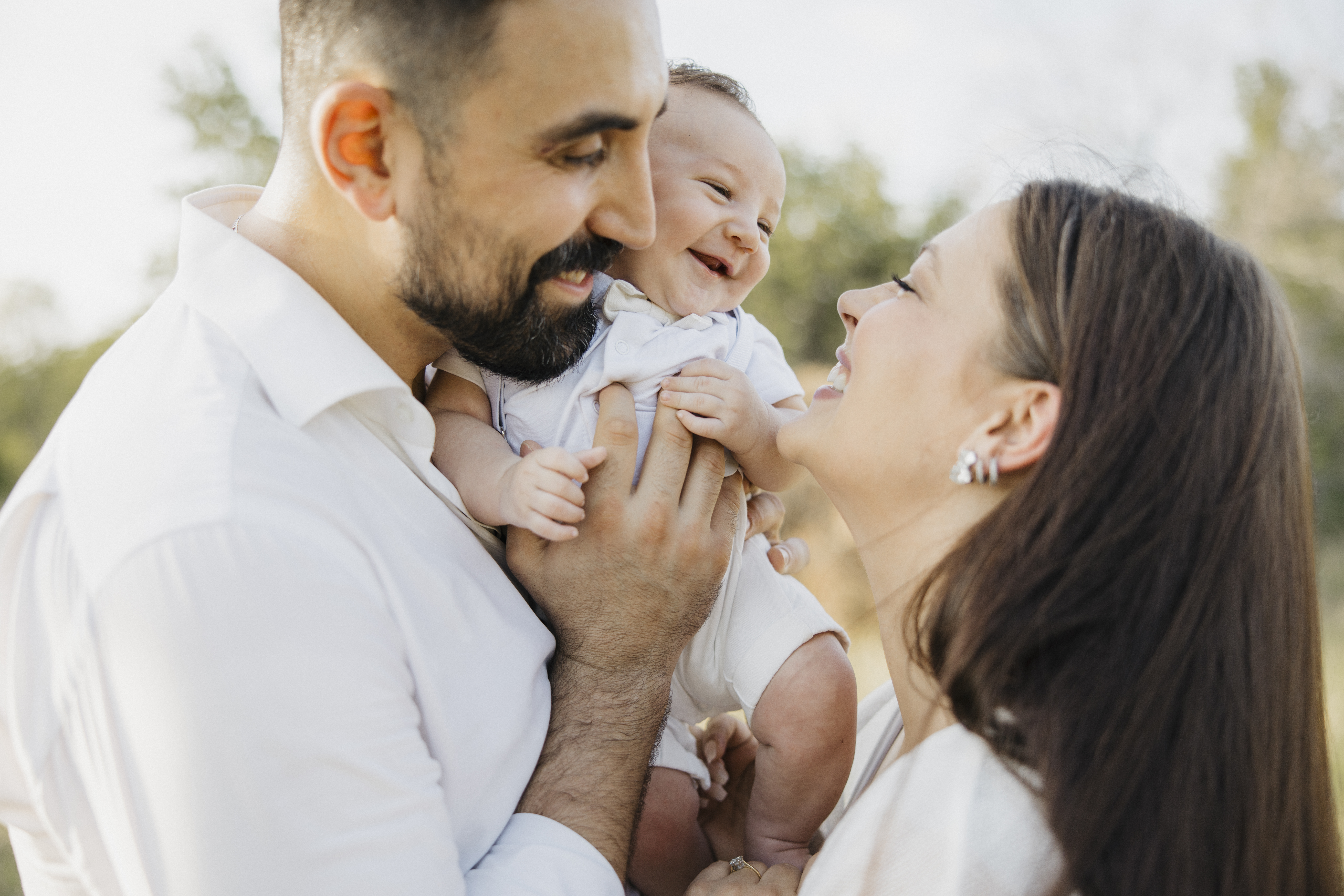
Kids who know their family's story are more resilient, and photos are usually how they learn it. Psychologists Marshall Duke and Robyn Fivush at Emory built a 20-question "Do You Know?" scale (Do you know where your grandparents grew up? Do you know how your parents met?) and tested it against measures of children's wellbeing. Kids who knew more of their family story had higher self-esteem, a stronger sense of control over their lives, and less anxiety. It turned out to be the single best predictor of children's emotional health the researchers measured, which is a wild thing to be able to say about 20 questions.
Here's the connection to photos. Nobody sits a 7-year-old down for a lecture on family history. But a kid points at a print in the hallway, asks "where was this?", and suddenly you're telling them about the apartment you brought them home to. The photo is the story prompt; the story is doing the developmental work.
Taking photos can make the moment better, not worse. This one surprised us. The standard worry is that the camera pulls you out of the experience, but across nine experiments published in the Journal of Personality and Social Psychology, researchers found that people who took photos during an experience enjoyed it more than people who didn't. Bus tours, museum visits, ordinary meals. The reason: looking for the shot made people notice more of what was in front of them.
The fine print, because there is fine print: a 2014 study found that mindlessly snapping everything in a museum actually weakened people's memory of what they saw and enjoyment dropped whenever photo-taking got in the way of the experience itself. So the pattern across both is that photos help when the camera makes you more engaged, and hurt when you've stopped living in the moment and become overly focused on how things would photograph. Anyone who has shared a meal with someone maniacally photographing their dishes to the point they turn a bit cold knows the second mode well.
Why this matters more than it seems
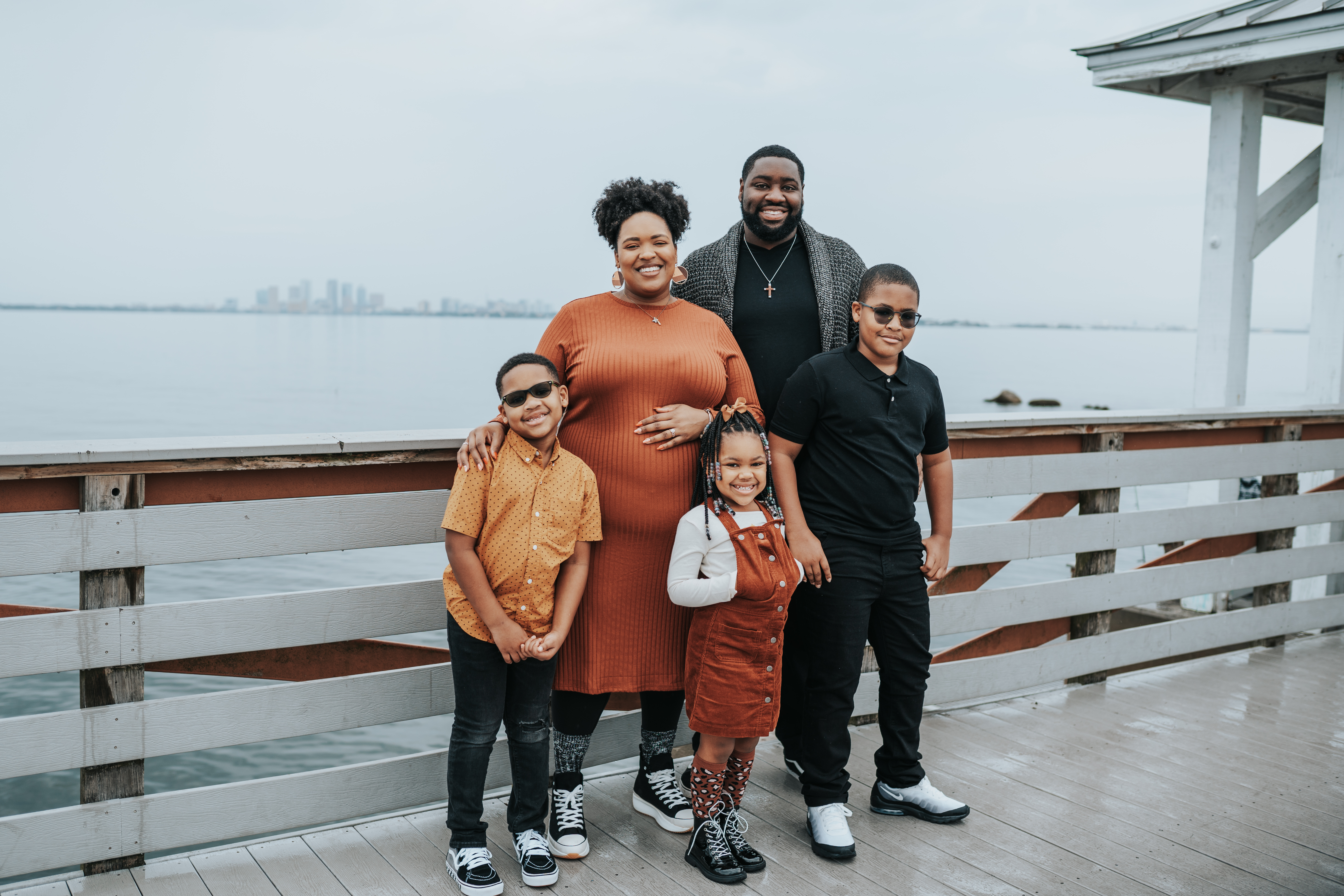
Photos get written off as frivolous all the time, the soft thing you get to after the practical stuff is handled. We'd argue (and the research backs us) that it's closer to the reverse. A family photo on the wall is a daily, wordless message to a kid: you belong to something, you're part of a story, these people love you. They pass it twenty times a day. The message compounds.
For adults, photos do a job memory can't. Recall of ordinary days fades fast, and the photo holds the proof: the way your toddler's hand actually looked in yours, the kitchen of your first apartment. Looking back at these images is emotionally potent for a reason (we went deep on the neuroscience of nostalgia and why your brain rewards you for it). It isn't wallowing. It's maintenance for your sense of connection.
How to take family photos that actually do this work
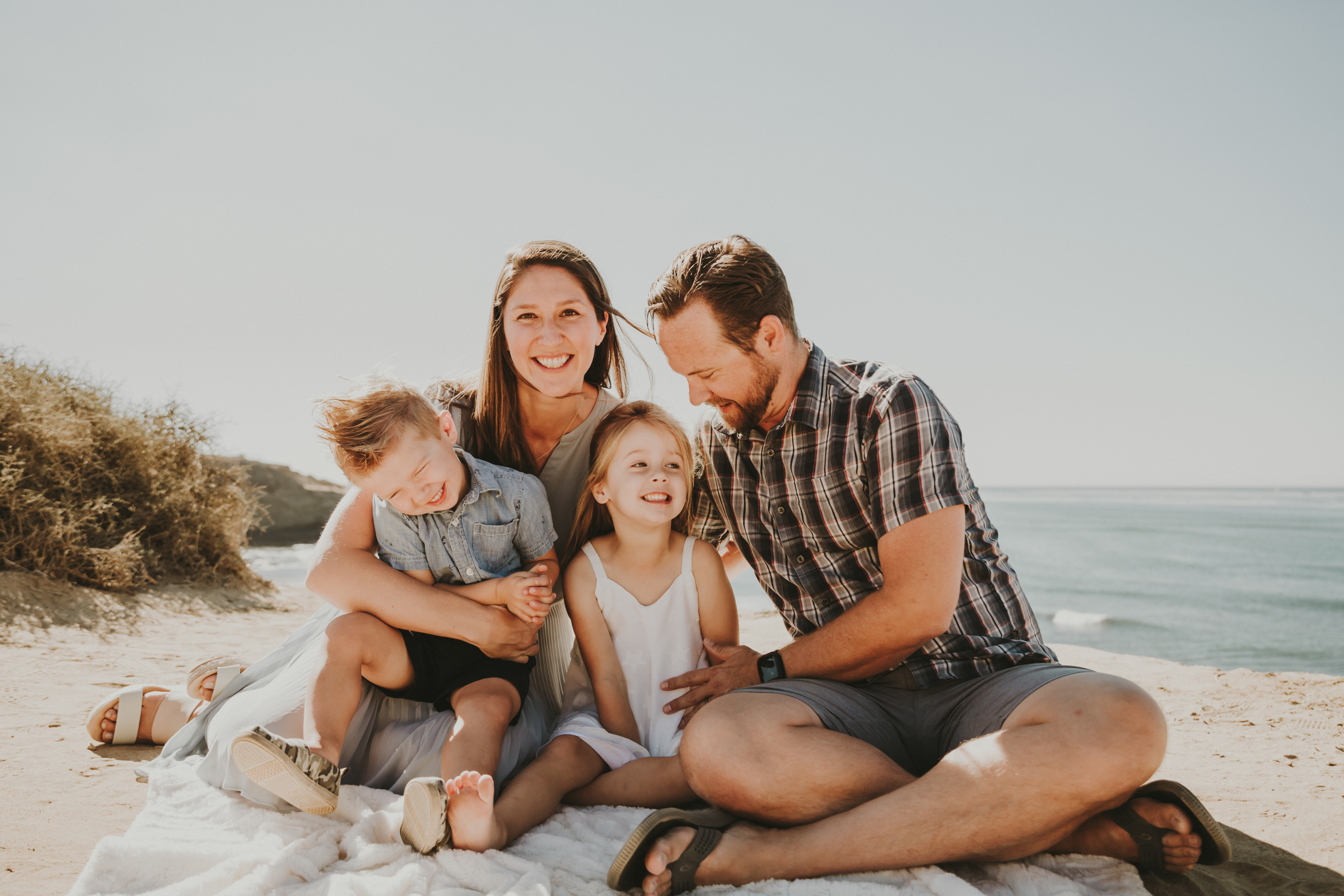
A few practical moves, straight from the research:
Print and display them. The benefits above come from photos that get seen, over and over. A photo buried in your camera roll can't remind anyone of anything. Consider walls, fridges, desks, lock screens and photo products (mugs, ornaments, etc)
Shoot the ordinary, not just the milestones. Photos of pancake breakfasts, laughing candids, and crooked pigtails are the photos kids ask about later. Milestones say what happened; ordinary photos say what life felt like.
Let the photos start conversations. The resilience benefit in the research from Emory came from the storytelling. So when a kid asks about a photo, don’t hesitate to give them the long, colorful version. Their brains will thank you for it!
Get in the frame. If you're the designated family photographer, you're more often than not missing from the record, and your kids will eventually want proof you were there too. Which leads us to:
Sometimes, hand off the camera. Engagement is what makes photo-taking enhance a moment. When you're directing, framing, and wrangling, you're working, not engaging. Letting someone else shoot means everyone (including you) is in the moment. And sometimes, you deserve to have photos captured by a professional who can offer technical experience, an artistic eye, and directorial guidance.
So that's the science (minus the grain of salt we owe you as a photoshoot company): photos of the people you love comfort you when things hurt, anchor your kids' sense of who they are, and can even deepen the moments themselves. Take them, print them, put them where people will see them, and tell the stories behind them.
And if your family's photographic record consists mainly of blurry phone shots where one parent is permanently missing, that's fixable in an afternoon: book a free outdoor family photoshoot with a community-vetted, talented local professional, and only pay for the photos you love!
This time, everyone gets to be in the frame.
Be the first to hear about new events and exclusive discounts. Sign up to get 10% off your first photo purchase!





Do not sell my personal information
Privacy Policy
SMS Terms & Conditions
Cookie Policy
Terms of use
Acknowledgements
Shoott 1178 Broadway, 3rd Floor #1129, New York, NY 10001
+1 917-275-7471